






Cafe Coffee Menu Espresso
Short / Long Black – Ristretto – Espresso Tall – Tall Black – Americano – Flat White – Latte – Cappuccino – Mocha – Mocha Latte – Mochaccino Macchiato Short or Tall – Quadtretto
Chai Latte – Hot Chocolate – Choc Mint Latte – Lemon Honey Ginger
Syrup ~ Caramel ~ Vanilla ~ Hazelnut ~ ChocMint
you can download the FREE Barista Booklet this will help you in your training – FREE Barista Booklet
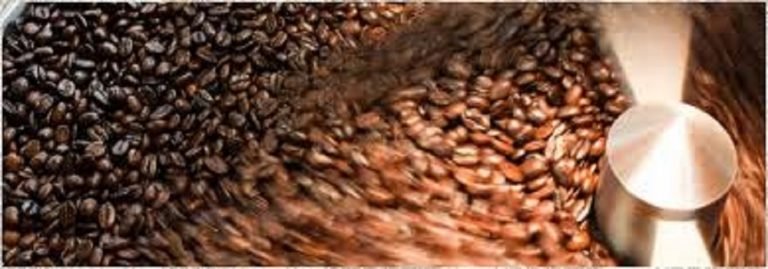
Coffee roasting is a dedicated craft that requires time and practice. Achieving the perfect crack and colour to preserve a bean’s full flavor depends on origin and roast length. During our training sessions, we began on a 10 kg roaster and have progressed to a 25 kg upgraded roaster — allowing greater consistency and capacity while preserving the nuanced character of each origin.
Coffee Origins


Facts
Size: 8.516 million km2, the fifth largest country
Capital City: Brasília
Population: 207.7 million
Language: Portuguese
Average farm size: Varies, between 1 hectare to 10,000 hectares
Annual production: 30 million bags
Bags exported annually: 15 millions bags
Annual domestic consumption: 15 million bags, Brazil the world’s second largest consumer of coffee in the world after the US
Growing regions and sizes: Minas Gerais (1.2 million hectares), Espírito Santo (433,000 hectares), São Paulo (216,000 hectares), Bahia (171,000 hectares), Rondônia (95,000 hectares) and Paraná (49,000 hectares)
Varieties: Bourbon, Typica, Caturra, Catuai, Catimor, Maragogype
Processing Methods: Washed, Semi-washed, Natural
Bag Size: 59 or 60 kg, Ipanema 30 kg
Harvest Period: June to September
Shipment Period: July onward


Facts
Size: 8.516 million km2, the fifth largest country
Capital City: Brasília
Population: 207.7 million
Language: Portuguese
Average farm size: Varies, between 1 hectare to 10,000 hectares
Annual production: 30 million bags
Bags exported annually: 15 millions bags
Annual domestic consumption: 15 million bags, Brazil the world’s second largest consumer of coffee in the world after the US
Growing regions and sizes: Minas Gerais (1.2 million hectares), Espírito Santo (433,000 hectares), São Paulo (216,000 hectares), Bahia (171,000 hectares), Rondônia (95,000 hectares) and Paraná (49,000 hectares)
Varieties: Bourbon, Typica, Caturra, Catuai, Catimor, Maragogype
Processing Methods: Washed, Semi-washed, Natural
Bag Size: 59 or 60 kg, Ipanema 30 kg
Harvest Period: June to September
Shipment Period: July onward


Facts
Size: 1.142 million km²
Capital City: Bogota
Population: 48.65 million
Language: Spanish
Average farm size: 3 acres
Annual production: 13.6 million bags
Bags exported annually: 12.2 million bags
Annual domestic consumption: 1.4 million bags
Growing regions: Through-out Colombia. The specific geographic location of each growing region determines its particular conditions of availability of water, temperature, solar radiation, and wind regime for cultivation.
Varieties: Typica, Bourbon, Caturra
Processing Methods: Washed
Bag Size: 70 kg
Harvest Period: October to March
Shipment Period: December to February


Facts
Size: 108,889 sq km
Capital City: Guatemala City
Population: 15.2 million
Language: Spanish
Average farm size: Varies, between 1 hectare and 50 hectares
Annual production: 4 million bags
Bags exported annually: 3.5 million bags
Annual domestic consumption: 300,000 to 400,000 bags
Growing regions and sizes: Acatenango, Antigua, Atitlan, Chimaltenango, Cobán, Fraijanes, Huehuetenango, Nuevo Oriente
Varieties: Bourbon, Caturra, Catuai, Typica, Maragogype, Pache
Processing Methods: Washed or mechanically mucilaged
Bag Size: 69 kg
Harvest Period: December to March
Shipment Period: February to July


Facts
Size: 112,090 sq km
Capital City: Tegucigalpa
Population: 9.113 million
Language: Spanish
Average farm size: Varies, between 1 hectare and 50 hectares
Annual production: 6.5 million bags
Bags exported annually: 6 million bags
Annual domestic consumption: 500,000 bags
Growing regions: Agalta, Comayagua, Copan, Mentecillos, Opalca, El Paraiso
Varieties: Bourbon, Caturra, Catuai, IHCAFE 90, Lempira, Typica
Processing Methods: Washed
Bag Size: 69 kg
Harvest Period: December to February
Shipment Period: January to March


Facts
Size: 1.905 million km²
Capital City: Jakarta
Population: 261.1 million
Languages: Bahasa Indonesia (official, modified form of Malay), English, Dutch, Javanese, other local dialects
Average farm size: Varies, between 1 hectare to 10 hectares
Annual production: 11.2 million bags
Bags exported annually: 6.6 million bags
Annual domestic consumption: 4.6 million bags
Growing regions: Robusta; Bengkulu (Sumatra), South Sulawesi, Lampung (Sumatra) and Java, Arabica; Aceh, Java, Sumatra
Varieties: 75% Robusta, 25% Arabica: Typica, Caturra, Bourbon, S-line Hybrids, Catimor, Tim Tim.
Processing Methods: Washed, Semi-washed, Natural
Bag Size: 60 kg
Harvest Period: Java; July to September, Sumatra; October to March
Shipment Period: Java; August to November, Sumatra; November to May


Facts
Size: 1.964 million km²
Capital City: Mexico City
Population: 127.5 million
Languages: Spanish
Average farm size: Less than 25 hectares
Annual production: 3.9 million bags
Bags exported annually: 2 million bags
Annual domestic consumption: 2 million bags
Growing regions: Main; Chiapas, Veracruz, Puebla, Oaxaca. Other; Guerrero, Hidalgo, San Luis Potosi, Nayarit, Colima, Jalisco, Queretaro and Tabasco
Varieties: 90% Arabica; Bourbon, Typica, Caturra, Mundo Novo, Maragogype, Catimor, Catuai and Garnica. 10% Robusta.
Processing Methods: Washed
Bag Size: 69 kg
Harvest Period: November to March
Shipment Period: January to July


Facts
Size: 130,370 sq km
Capital City: Managua
Population: 5.9 million
Languages: Spanish
Average farm size: 1–14 hectares
Annual production: 2.5 millions bags
Bags exported annually: 2.3 million bags
Annual domestic consumption: 180,000 bags
Growing regions: Jinotega, Matagalpa, Nueva Segovia
Varieties: Bourbon, Catuai, Catimor, Caturra, Maracaturra, Maragogype
Processing Methods: Washed, Honey, Natural
Bag Size: 69 kg
Harvest Period: October to March
Shipment Period: April to July


Facts
Size: 462,840 km²
Capital City: Port Moresby
Population: 8.085 million
Languages: Hiri Motu, Tok Pisin, English, and 848 additional tribal dialects
Average farm size: 95 per cent of PNG’s coffee is produced by smallholder growers, who typically have less than 1,500 trees
Annual production: 800,000 – 1 million bags
Bags exported annually: 800,000 – 1 million bags
Annual domestic consumption: Majority is exported
Growing regions:Western and Eastern Highlands
Varieties: Arusha, Blue Mountain, San Ramon
Processing Methods: Washed
Bag Size: 60 kg
Harvest Period: June to August
Shipment Period: August to December


Facts
Size: 1.2 million sq km
Capital City: Lima
Population: 30.7 million
Language: Spanish (official), Quechua (official), Aymara (official)
Average farm size: 3 hectares
Annual production: 4.2 million bags
Bags exported annually: 4 million bags
Annual domestic consumption: 170,000 bags
Growing regions and sizes: Amazonas, Ayacucho, Cajamarca, Cusco, Huánaco, Junin, Pura, Puno, Villa Rica
Varieties: Bourbon, Typica, Catuai, Caturra, Mundo Novo, Pache
Processing Methods: Washed
Bag Size: 69 kg
Harvest Period: August to October
Shipment Period: November to December


Facts
Size: 945,087 km²
Capital City: Dodoma
Population: 55.57 million
Language: Kiswahili, English, Arabic
Average farm size: Smallholders with less than 1 hectare
Annual production: 800,000 bags
Bags exported annually: 800,000 bags
Annual domestic consumption: Most is exported, around 7% is consumed domestically
Growing regions and sizes: Western, Southern, Northern regions
Varieties: Bourbon, Kents, Typica, and Blue Mountain
Processing Methods: Fully washed
Bag Size: 60 kg
Harvest Period: October to December
Shipment Period: October to February
